CPTSD Triggers: Understanding Symptoms & Coping Strategies
Ever felt an ordinary moment spark an emotional storm? A certain tone of voice, a passing comment, or even a particular smell can suddenly make you feel unsafe, overwhelmed, or filled with dread. For anyone living with long-term trauma, these intense reactions are known as CPTSD triggers. You might feel confused, isolated, and deeply distressed by them, but you are not alone.
If you’ve ever felt blindsided by overwhelming emotions, know this: your reactions make sense. Let’s untangle what CPTSD triggers are—and how to soften their grip. We will explore what these triggers look like, how they differ from those in PTSD, and provide practical strategies to help you navigate these challenging moments.
Gaining insight into your own patterns is a crucial part of healing. To get a clearer picture of how these experiences relate to you, a confidential CPTSD test can be a helpful first step.
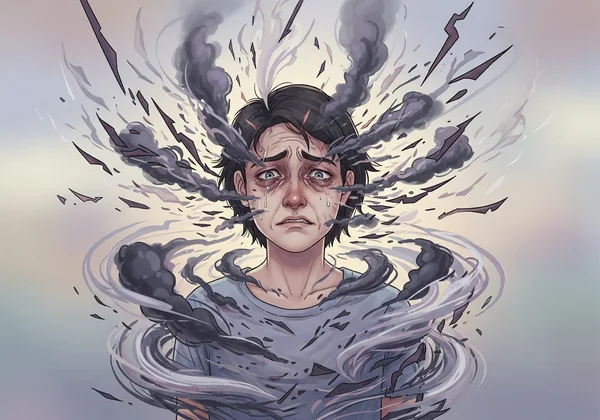
What Are CPTSD Triggers? Defining Complex Reactions
At its core, a trigger is any stimulus—a person, place, thought, or sensation—that your brain connects to a past traumatic experience. When you encounter a trigger, your nervous system reacts as if the original danger is happening right now. This isn't a conscious choice; it's a deeply ingrained survival response.
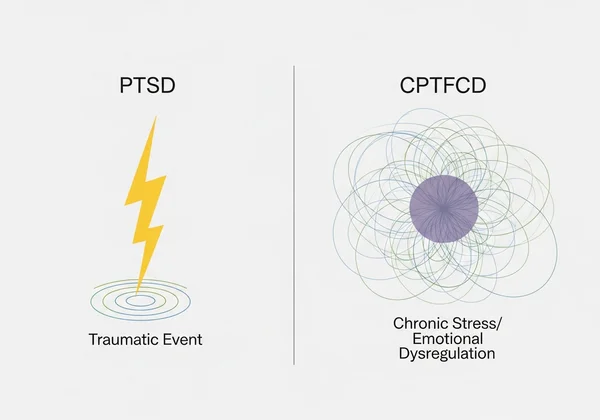
CPTSD often arises from prolonged trauma—like childhood neglect or ongoing abuse. This creates triggers that feel more layered and elusive than those tied to a single traumatic event.
The Core Difference: CPTSD Triggers vs. PTSD Triggers
The main distinction lies in the nature of the trauma. Standard PTSD is often linked to a specific, life-threatening event. Consequently, triggers are usually direct reminders of that event. For example, a combat veteran might be triggered by the sound of a helicopter.
CPTSD triggers, however, are often relational and emotional. Because the trauma was ongoing, often involving betrayal or a loss of safety within a key relationship, the triggers are woven into the fabric of daily interactions. They can be sparked by:
- Perceived criticism or rejection.
- Feeling ignored, dismissed, or misunderstood.
- A sense of powerlessness or being trapped.
- Someone in a position of authority speaking in a certain way.
These triggers activate the deep emotional wounds of the past, such as feelings of worthlessness, shame, or abandonment.
Common Internal and External Catalysts for CPTSD Responses
Triggers can come from both outside and inside of you. Recognizing them is key to understanding your reactions.
External Triggers are cues from your environment:
- People: Someone who reminds you of a person from your past.
- Places: A room, building, or even city connected to the trauma.
- Sensory Input: A specific song, the smell of a certain food, or a particular time of day.
- Situations: Arguments, feeling unheard in a meeting, or experiencing a sudden change of plans.
Internal Triggers are cues that originate within your own mind and body:
- Emotions: Feeling lonely, sad, angry, or vulnerable can be a trigger itself.
- Thoughts: Self-critical thoughts or specific memories can activate a trauma response.
- Physical Sensations: A racing heart, fatigue, or physical pain can be misinterpreted by the brain as a sign of danger.
Recognizing CPTSD Trigger Symptoms: Beyond Fight or Flight
When a CPTSD trigger is activated, the response is more than just feeling anxious. It’s a profound shift in your entire state of being, often pulling you back into the emotional reality of the past.
Emotional Flashbacks: Feeling the Past in the Present
One of the hallmark symptoms of CPTSD is the emotional flashback. Unlike a visual flashback where you see the traumatic event, an emotional flashback is when you are flooded with the feelings of the original trauma without the images.
Suddenly, you might feel the intense helplessness, shame, fear, or despair of your childhood or past abusive situation. You may not even know why you feel this way, which adds a layer of confusion and self-blame. It feels as though the past has completely taken over the present moment. Understanding if your emotional experiences align with CPTSD symptoms can be clarifying; our CPTSD assessment is designed for this.
Understanding the 4 F's: Fight, Flight, Freeze, and Fawn in CPTSD
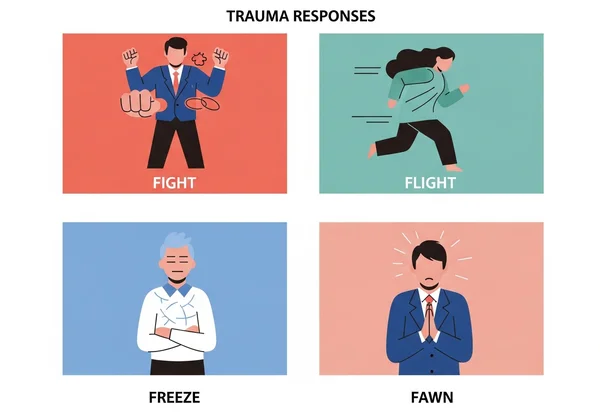
Trauma responses are survival instincts. While "fight or flight" are well-known, CPTSD often involves two others: freeze and fawn. A trigger can send you into any of these states.
-
Fight: This can look like sudden anger, irritability, defensiveness, or a desire to control the situation.
-
Flight: This involves an overwhelming urge to escape. It can manifest as anxiety, panic, constant busyness, or literally leaving a room.
-
Freeze: You may feel numb, disconnected, or "spaced out." It can feel like your mind goes blank and your body is paralyzed, unable to move or speak. This is known as dissociation.
-
Fawn: This is a people-pleasing response. To avoid conflict or rejection (which feels dangerous), you might immediately agree with others, apologize excessively, or abandon your own needs to appease someone else.
If you are trying to make sense of your own emotional reactions, taking a free CPTSD test can provide a structured way to review your symptoms.
When CPTSD Triggers Mimic Anxiety: Distinguishing Panic Responses
It's easy to mistake a CPTSD trigger response for a panic attack, as both can involve a racing heart, shortness of breath, and a sense of doom. However, there's a key difference.
A typical panic attack is often future-focused, filled with "what if" fears about losing control or something terrible happening. A CPTSD response drags the past into the present. Instead of plain fear, you relive old terror, helplessness, or shame—as if the trauma just happened.
Empowering Strategies for Managing CPTSD Triggers
While you can't eliminate triggers entirely, you can develop skills to reduce their power and navigate them with greater self-compassion. The goal is not to suppress your feelings but to learn how to stay present and safe when they arise.
Disclaimer: This article is for informational purposes only and does not constitute medical advice. The test on our site is a screening tool, not a diagnostic instrument. Please consult a qualified mental health professional for a formal diagnosis and treatment plan.
Effective Grounding Techniques for Immediate Relief
Grounding techniques pull your attention out of the emotional storm and back into the safety of the present moment. When you feel a trigger activating, try one of these:
-
The 5-4-3-2-1 Method: Silently name 5 things you can see, 4 things you can physically feel (your feet on the floor, the texture of your shirt), 3 things you can hear, 2 things you can smell, and 1 thing you can taste.
-
Temperature Change: Hold a piece of ice in your hand or splash cold water on your face. The intense sensation can quickly bring your focus to the present.
-
Firm Pressure: Press your feet firmly into the ground. Notice the solidness beneath you. Push your palms together or wrap your arms around yourself in a firm hug.

Developing a Personalized Trigger Identification & Action Plan
Knowledge is power. Start to gently and curiously observe what sets off your trauma responses, without judgment. You might keep a private journal to note:
- The Situation: What was happening right before you felt activated?
- The Feeling: What emotions came up? (e.g., shame, fear, anger)
- The Body Sensation: What did you feel in your body? (e.g., tight chest, nausea)
- The Response: What did you do? (e.g., lash out, shut down, leave)
Over time, you'll see patterns. Your action plan can then be: "When I feel that familiar sense of being dismissed (trigger), I will excuse myself for a moment and use my 5-4-3-2-1 grounding technique (action)."
Building Internal and External Safety Resources
Healing from CPTSD involves re-establishing a sense of safety that was lost.
- Internal Safety: This comes from learning to be your own compassionate caregiver. It means reminding yourself, "I am an adult now. I am safe in this moment. This feeling is a memory, and it will pass."
- External Safety: Create a "safety toolkit." This could be a list of trusted friends to call, a playlist of calming music, a comforting blanket, or a safe space in your home where you can go to feel secure. These resources reteach your nervous system a crucial truth: support is here, now.
Creating a Trauma-Informed Daily Routine
Creating a stable daily routine can act as a powerful anchor for your nervous system. Predictability helps counteract the chaos often associated with past trauma. Simple habits—like waking up at the same time, having a quiet morning ritual, or scheduling short breaks—build a foundation of safety. This structure reduces the background anxiety that can make you more vulnerable to triggers.
Taking Control: Your Path to Understanding & Healing
Understanding your CPTSD triggers is not about dwelling on the past. It’s about recognizing that your reactions are valid, logical survival responses to what you endured. They are not a sign that you are broken or flawed; they are a sign that you fought to survive.
By identifying what activates these responses and learning to ground yourself in the present, you can slowly reduce their intensity and duration. Each time you manage a trigger without falling into an emotional flashback, you are teaching your brain that you are safe now. This journey requires immense patience and self-compassion, but it is a path toward profound healing and empowerment.

Ready to take the next step in understanding your experiences? The free CPTSD test offers a confidential way to explore your symptoms and gain personalized insights. It's a simple, validating step on your journey to healing.
Frequently Asked Questions About CPTSD Triggers
What does a CPTSD outburst look like?
A CPTSD outburst can look different depending on the person and their dominant trauma response. For some, it may be a "fight" response, appearing as sudden, intense anger or irritability that seems disproportionate to the situation. For others, it might be an overwhelming emotional flashback, leading to uncontrollable crying, despair, or a "freeze" response where they completely shut down.
What is a freeze response in CPTSD?
The freeze response is a state of internal paralysis. When triggered, a person might feel numb, empty, or disconnected from their body and emotions (dissociation). They may find themselves unable to move, think clearly, or speak. It's a primitive survival mechanism that activates when fighting or fleeing feels impossible, essentially "playing dead" to endure an overwhelming threat.
How can I tell if I might have CPTSD?
While only a professional can diagnose you, common signs of CPTSD include trouble regulating emotions, persistent feelings of shame, difficulty with relationships, and physical symptoms like fatigue. These often stem from prolonged trauma. To explore how your experiences align with these symptoms, our confidential online assessment is a helpful place to start.