CPTSD Emotional Exhaustion: Signs, Causes & Recovery Strategies
Have you ever woken up after eight hours of sleep and still felt like you could sleep for a week? For many people living with Complex Post-Traumatic Stress Disorder (CPTSD), this isn't just a bad morning. It is a daily reality. This "invisible weight" makes simple tasks like checking emails or making tea feel like climbing a mountain.
Do you feel like you are constantly running on empty, even when there is no obvious reason for it? If so, you are not alone. You might recognize this as emotional exhaustion or trauma-induced burnout. It happens when your brain and body have spent years in a state of high alert.
Let’s unpack the hidden reasons trauma leaves you exhausted—and how small shifts can help you reclaim energy. To gain immediate clarity on your specific symptoms, you can also take a cptsd test to see how trauma may be affecting your daily life.
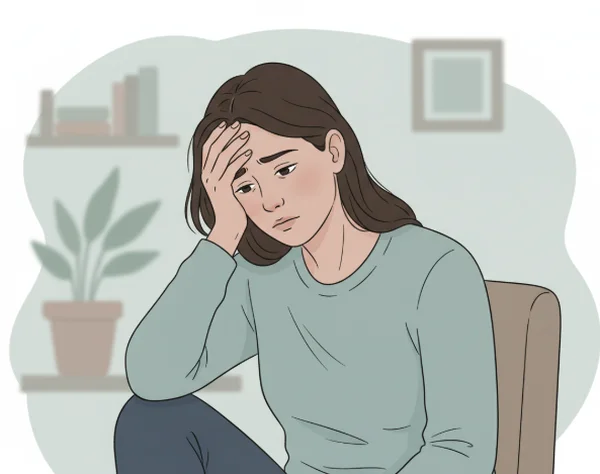
Recognizing CPTSD-Related Emotional Exhaustion
The first step in healing is validation. Many survivors blame themselves for being "lazy" or "unproductive." However, what you are experiencing is a physiological response to long-term stress. When we talk about CPTSD, we are talking about more than just being tired. We are talking about a deep, soul-level depletion.
CPTSD Burnout Symptoms vs. Regular Fatigue
It is important to distinguish between "normal" tiredness and CPTSD burnout symptoms. Most people feel tired after a long day at work or a poor night's sleep. Usually, a weekend of rest or a good meal helps them recover.
Trauma-related exhaustion is different. It is chronic and does not go away with rest alone. In CPTSD, your nervous system is often stuck in a "Freeze" or "Fawn" state. This means your body is using massive amounts of energy just to keep you "safe" from perceived threats, even when you are sitting on your sofa. You might feel heavy limbs, a "foggy" brain, or a total lack of motivation that persists for weeks or months.
The ITQ Assessment: Clinical Validation of Your Experience
If you feel like your exhaustion is more than just stress, science provides a way to look at it objectively. The International Trauma Questionnaire (ITQ) is a scientifically validated tool used by professionals to screen for CPTSD. It focuses on symptoms defined by the World Health Organization in the ICD-11.
Using a free tool based on the ITQ can help you move from "I think I'm just tired" to "I understand that my nervous system is overwhelmed." By answering questions about your experiences over the last month, you can get a clearer picture of how trauma is impacting your energy levels. This clinical validation is often the "aha" moment many survivors need to stop blaming themselves.

Self-Checklist: Signs You're Experiencing CPTSD-Related Exhaustion
Are you unsure if your fatigue is trauma-related? Look through this checklist. Taking a free CPTSD symptoms test can also provide the deeper validation you need to start healing. If you recognize several of these signs, your energy drain likely has deep roots:
- Emotional Numbness: You feel "flat" and find it hard to feel joy, or even sadness.
- Cognitive Fog: You struggle to remember simple words or make basic decisions.
- Physical Heaviness: Your body feels like it is made of lead, making even a shower feel exhausting.
- Increased Irritability: You have a "short fuse" because you have zero emotional margin left.
- Social Withdrawal: The idea of talking to anyone feels like an impossible chore.
- Sleep Disturbance: You are "tired but wired," unable to fall asleep despite being exhausted.
Understanding the Roots of CPTSD Fatigue
Why does CPTSD take such a toll on the body? To manage the exhaustion, we must understand the "energy leaks" in our daily lives. Trauma doesn't just live in the mind; it lives in the nervous system.
How Emotional Dysregulation Drains Your Energy Reserves
One of the core challenges of CPTSD is emotional dysregulation. This means it is very hard to stay in a "middle ground" of emotion. Survivors often swing between high anxiety (Hyperarousal) and total shutdown (Hypoarousal).
Think of your energy like a car battery. Most people drive at a steady speed. A person with CPTSD is constantly "revving the engine" or "slamming on the brakes." This constant shifting uses up your energy reserves very quickly. Constantly battling your inner critic or forcing calmness in crowds? This unseen effort drains energy like a marathon—except no one hands you a medal.
Sensory Overload and the CPTSD Energy Drain
Many survivors experience heightened sensitivity to their environment. This is often called hypervigilance. Your brain is working overtime to scan for danger. It processes every loud noise, every shift in someone's tone of voice, and every bright light as a potential threat.
Sensory overload saps energy relentlessly. Where others tune out background noise, your brain stays on high alert—scanning, analyzing, exhausting you. By the end of the day, your brain has processed ten times more "data" than the average person. No wonder you feel drained.

The Vicious Cycle: Exhaustion as Both Symptom and Trigger
Exhaustion traps you in a cruel loop. As fatigue deepens, your ability to cope shrinks—making burnout feel inevitable. This reduced "window of tolerance" means you are more likely to experience an emotional flashback or a "freeze" response.
Once you have a flashback, your body releases stress hormones like cortisol and adrenaline. After these hormones wear off, you experience a "crash," which leads to even deeper exhaustion. Breaking this cycle requires acknowledging that rest is not a luxury—it is a medical necessity for your recovery.
Practical Strategies for Managing CPTSD-Related Exhaustion
Managing this type of fatigue requires a different approach than just "sleeping more." It requires a combination of nervous system regulation and practical lifestyle changes.
Micro-Breaks and Grounding Techniques for Daily Energy Conservation
You don't need an hour of meditation to start saving energy. Instead, try "micro-breaks" throughout the day. A micro-break is a 60-second window where you intentionally ground yourself.
One effective method is the 5-4-3-2-1 technique. Stop what you are doing and name:
- 5 things you can see
- 4 things you can touch
- 3 things you can hear
- 2 things you can smell
- 1 thing you can taste
This simple act pulls your brain out of "threat-scanning mode" and back into the present moment. By doing this several times a day, you stop the energy leaks before they drain your battery completely.
Creating an Energy Budget: Prioritizing What Matters Most
If you only had $20 to spend for the whole day, you would be very careful about what you bought. Treat your energy the same way. This is often called "Spoon Theory." Every task costs a certain number of "spoons."
On days when you feel the heavy weight of CPTSD exhaustion, look at your to-do list and ask: "What is essential for survival today?" Sometimes, survival means washing one dish and then resting. Learning to say "no" to social events or extra work tasks is not being selfish; it is managing your health. By creating an energy budget, you prevent the total "system crashes" that can set your healing back for days.
When to Seek Professional Help: Red Flags and Next Steps
While self-care is vital, some levels of exhaustion require professional support. If you find that you cannot get out of bed for several days, have thoughts of self-harm, or feel completely disconnected from reality, please reach out to professional help.
Find trauma-informed therapists through our provider directory. A professional can help you navigate therapies like EMDR (Eye Movement Desensitization and Reprocessing) or IFS (Internal Family Systems), which address the root causes of trauma. Taking an online assessment can be a great starting point to show a therapist exactly what symptoms you are struggling with. Remember, seeking help is a sign of strength, not a sign that you have failed.
Your First Step Toward Reclaiming Your Energy
If you’re reading this while feeling utterly drained, please know this: Your fatigue isn’t laziness—it’s your body’s way of saying it’s carried too much for too long. By recognizing the symptoms of burnout and understanding the energy drain of hypervigilance, you can begin to treat yourself with the compassion you deserve.
You do not have to live in a state of constant depletion. Small steps—like grounding exercises, setting boundaries, and validating your experience through testing—can make a huge difference over time. Your energy is precious. Learning how to protect it is one of the most important parts of your healing journey.
If you are ready to stop guessing and start understanding, start your test today. Getting a clear, science-based look at your symptoms is the first step toward reclaiming your life and your energy.
Frequently Asked Questions About CPTSD and Emotional Exhaustion
Is constant fatigue always a sign of CPTSD?
No, constant fatigue can be caused by many things, including vitamin deficiencies, thyroid issues, or clinical depression. If you are exploring how physical health intersects with mental health, finding trauma-informed support can help you rule out or address trauma-related causes. If your fatigue is accompanied by emotional flashbacks and a harsh inner critic, it is a very common symptom of CPTSD.
How do I know if my exhaustion is trauma-related?
Trauma-related exhaustion often feels "heavy" and is triggered by emotional stress or sensory input rather than physical labor. To see if your symptoms align with clinical trauma standards, you can get your results through a specialized screening tool that looks for signs of CPTSD specifically.
Can emotional exhaustion from CPTSD be managed without medication?
Many people find relief through nervous system regulation, trauma-informed therapy, and lifestyle changes. However, for some, medication can help stabilize the "highs and lows" of the nervous system, making it easier to do the work of healing. Always consult with a doctor or psychiatrist regarding medication.
What's the difference between CPTSD burnout and adrenal fatigue?
"Adrenal fatigue" is a non-medical term often used to describe the feeling of being "burnt out." CPTSD burnout is a recognized psychological and physiological state where the brain's "threat detection system" (the amygdala) has overwhelmed the body's ability to recover from stress.
How quickly can I expect to see improvements in my energy levels?
Healing is not a straight line. Many people feel a small shift in energy once they stop "fighting" the fatigue and start accepting their need for rest. Significant improvement usually comes gradually as you learn to regulate your emotions and process the underlying trauma.
Disclaimer: The information provided in this article is for educational purposes only and is not a substitute for professional medical advice, diagnosis, or treatment. Always seek the advice of your physician or other qualified health provider with any questions you may have regarding a medical or mental health condition.