PTSD Symptoms in Men: How Trauma Can Show Up Emotionally, Physically, and in Daily Life
PTSD symptoms in men can be easy to misread. A man may look angry when he is actually frightened, seem distant when he is overwhelmed, or throw himself into work because slowing down brings back memories he cannot easily name. PTSD is not a weakness, a character flaw, or proof that someone is broken. It is a trauma-related condition that can affect memory, mood, sleep, relationships, and the body.
This guide explains common symptoms of PTSD in men, including emotional, behavioral, military-related, physical, and complex trauma patterns. If you are sorting through your own reactions, a private trauma self-reflection tool like a private trauma self-reflection tool can help you organize what you notice before deciding whether to speak with a qualified mental health professional.

How PTSD Can Show Up Differently in Men
PTSD has the same broad symptom clusters across adults: re-experiencing, avoidance, changes in mood and thinking, and feeling on edge. Men can experience any of these symptoms. The difference is often not the condition itself, but how distress is expressed, hidden, or explained away.
Some men were taught to stay controlled, solve problems alone, or avoid appearing vulnerable. Because of that, trauma symptoms may be described as stress, anger, burnout, drinking too much, trouble sleeping, or "just being irritable." A man may not say, "I feel scared." He may say, "I cannot relax," "people keep pushing me," or "I do not want to talk about it."
This matters because untreated trauma can quietly shape daily life. A person may keep functioning at work while relationships become strained, sleep gets shorter, and the body stays tense. Looking at symptoms through a trauma-informed lens does not label someone. It simply creates a more accurate map.
Core Symptoms of PTSD in Men
PTSD symptoms are usually easier to understand when grouped into clusters rather than treated as one long checklist.
Re-experiencing symptoms
Re-experiencing means the past feels present again. In men, this may appear as flashbacks, intrusive memories, distressing dreams, or sudden physical reactions when something reminds them of the trauma. A sound, smell, place, anniversary date, argument, or news story may trigger a wave of tension before the person understands why.
Some men describe this as "zoning out," losing time, becoming flooded with images, or reacting more strongly than the current situation seems to explain. The reaction is not always dramatic from the outside. A man may simply become quiet, leave the room, grip the steering wheel, or look emotionally absent.
Avoidance symptoms
Avoidance is the effort to stay away from reminders of what happened. It can include avoiding certain places, people, conversations, memories, emotions, movies, medical settings, intimacy, or conflict. Men may also avoid by staying constantly busy, using humor, overworking, exercising to exhaustion, or relying on alcohol or substances to shut down feelings.
Avoidance can make life feel safer in the short term, but it often shrinks life over time. The person may stop driving certain routes, stop answering messages, avoid family gatherings, or refuse conversations that might bring up pain.
Mood and thinking changes
PTSD can change how a man sees himself, other people, and the future. Common patterns include shame, guilt, self-blame, emotional numbness, loss of interest, feeling detached from others, or believing the world is unsafe. Some men become harshly self-critical. Others feel disconnected from joy, affection, or pride.
These symptoms can be confusing because they may look like depression, relationship conflict, or personality change. The key question is whether the shift began or deepened after trauma, chronic stress, combat exposure, abuse, assault, loss, or another overwhelming experience.
Arousal and reactivity symptoms
Arousal symptoms involve the nervous system staying on alert. A man may be easily startled, tense, watchful, restless, quick to anger, unable to sleep, or unable to concentrate. He may scan exits, sit with his back to the wall, drive aggressively, check locks repeatedly, or feel irritated by small sounds.
This is one reason symptoms of PTSD in men are sometimes mistaken for anger problems. Anger can be real, but it may sit on top of fear, grief, helplessness, or a body that has not learned that the danger is over.
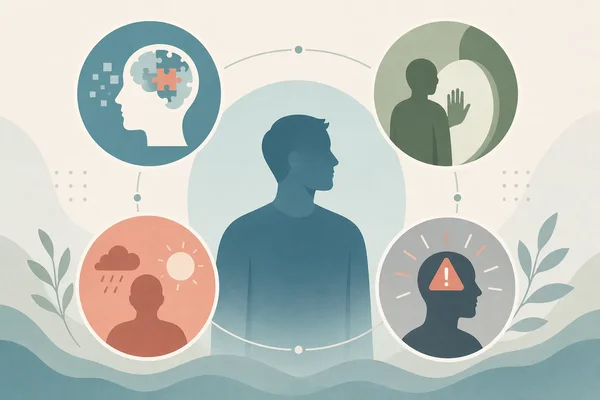
Emotional and Behavioral Signs People Often Miss
Some PTSD symptoms in men are not immediately obvious because they look like ordinary habits or personality traits. A man may seem independent, private, sarcastic, tough, or emotionally unavailable. Underneath, he may be managing intrusive memories, shame, and a constant sense of threat.
Common missed signs include:
- Pulling away from friends, partners, or family
- Becoming unusually controlling about plans or routines
- Needing to know exits, schedules, or backup options
- Overreacting to criticism, surprises, or feeling trapped
- Feeling numb during moments that should feel happy
- Having sudden anger followed by guilt or withdrawal
- Using work, screens, sex, exercise, or substances to avoid feelings
- Feeling unable to talk about what happened without shutting down
These patterns are not proof of PTSD by themselves. They are signals worth taking seriously, especially when they persist, interfere with life, or appear after trauma.
Physical Symptoms of PTSD in Men
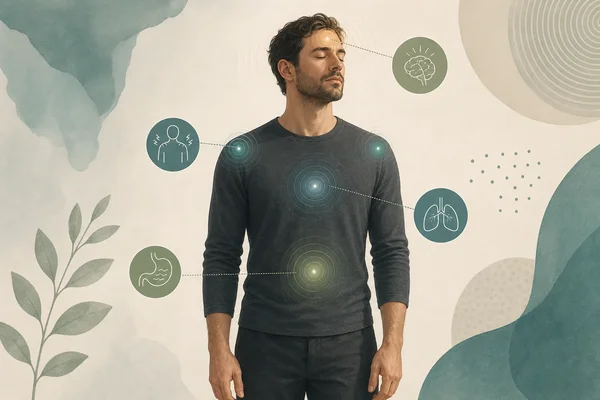
Physical symptoms of PTSD in men can be intense because trauma affects the body's stress systems. The body may react as if danger is nearby even when the person is physically safe.
Possible physical symptoms include rapid heartbeat, sweating, shaking, stomach upset, headaches, muscle tension, chest tightness, shallow breathing, fatigue, sleep disruption, and feeling constantly keyed up. Some men also notice digestive changes, chronic pain flares, sexual difficulties, or a lowered tolerance for noise and crowds.
Physical symptoms do not mean the experience is "only in your head." They also do not mean every body symptom is caused by trauma. New, severe, or unexplained physical symptoms should be discussed with a healthcare professional. A trauma-informed approach simply keeps both possibilities in view: the body may need medical care, and the nervous system may also need support.
If you are trying to separate PTSD, C-PTSD, and body-based trauma reactions, a structured C-PTSD screening experience such as a structured C-PTSD screening experience can give you language for patterns to bring into a professional conversation.
PTSD Symptoms in Military Men and Veterans
PTSD symptoms in military men and veterans can overlap with combat stress, moral injury, grief, traumatic brain injury, chronic pain, and the adjustment from service life to civilian life. Combat stress can be a short-term response to intense operational demands. PTSD is more likely when symptoms last, disrupt life, and keep returning long after the immediate danger has passed.
Military-related PTSD may involve nightmares, intrusive memories, hypervigilance, guilt about actions taken or not taken, discomfort in crowds, anger surges, sleep problems, emotional shutdown, or difficulty reconnecting with family. Some men miss the structure and trust of their unit while also wanting distance from reminders of service.
For veterans and service members, support should be practical and respectful. A person may need trauma-focused therapy, medical support, peer connection, family education, help with substance use, or crisis support if safety is at risk. In the United States, veterans and service members in crisis can call or text 988 and press 1 for the Veterans Crisis Line.

Complex PTSD Symptoms in Men
Complex PTSD, often shortened to C-PTSD, is commonly associated with repeated, prolonged, or relational trauma. Examples may include childhood abuse, coercive relationships, captivity, long-term neglect, repeated violence, or living for years in an unsafe environment. C-PTSD can include PTSD symptoms plus deeper disruptions in emotional regulation, self-worth, and relationships.
Complex PTSD symptoms in men may include intense shame, persistent self-blame, emotional swings, chronic numbness, difficulty trusting safe people, fear of dependence, fear of abandonment, or feeling permanently different from others. Some men become highly self-reliant because relying on others once felt unsafe. Others alternate between closeness and withdrawal.
C-PTSD is especially important for people whose trauma was not one event but a pattern. The question is not only "What happened?" but also "What did you have to adapt to for a long time?" That framing can reduce shame and make support feel more specific.
What Are the 17 Symptoms of PTSD?
Searches for "the 17 symptoms of PTSD" usually refer to lists that break the major PTSD clusters into individual signs. Different educational sources count symptoms differently, so it is more useful to understand the four core areas:
- Re-experiencing: flashbacks, nightmares, intrusive memories, distress when reminded, and body reactions to reminders
- Avoidance: avoiding thoughts, feelings, places, people, or conversations linked to the trauma
- Mood and thinking changes: shame, guilt, negative beliefs, detachment, memory gaps, loss of interest, or emotional numbness
- Arousal and reactivity: being on guard, irritability, sleep problems, concentration trouble, startle response, or reckless behavior
A symptom count can help with learning, but it should not become a self-judgment score. The bigger question is whether trauma-related reactions are lasting, distressing, and interfering with relationships, work, health, or daily routines.
PTSD Treatment and Support Options for Men
PTSD treatment often includes trauma-focused psychotherapy, medication, or both. Common therapy approaches may include cognitive processing therapy, prolonged exposure, EMDR, and other trauma-informed methods. Medication decisions are made with a qualified prescriber; some people are prescribed antidepressant medications or other medicines for specific symptoms such as sleep problems or nightmares.
Men sometimes delay support because they fear being judged, losing control, or being told they are weak. A good professional should not force disclosure before safety and trust are established. Treatment is usually a step-by-step process of understanding symptoms, building coping skills, and processing trauma in a way the nervous system can tolerate.
While waiting for care or deciding what kind of support fits, practical steps can help: keep a consistent sleep routine, reduce alcohol or drug use, track triggers, use grounding skills, move the body gently, tell one trusted person what helps, and seek urgent support if there are thoughts of self-harm or harming someone else.
How to Reflect on PTSD Symptoms Without Self-Blame
If you recognize several patterns in this article, try to treat that recognition as information, not a verdict. Trauma symptoms often began as survival strategies. Avoidance may have protected you from overwhelm. Hypervigilance may have helped you stay alert. Emotional numbness may have made it possible to keep going. The problem is that survival strategies can keep running after the danger has changed.
A gentle next step is to write down what you notice in three columns: triggers, body reactions, and behaviors. For example, a trigger might be a loud sound, a body reaction might be chest tightness, and a behavior might be leaving the room or snapping at someone. This kind of pattern map can make a professional conversation clearer.
If complex trauma may be part of the picture, you can explore a gentle CPTSD test and education hub like a gentle CPTSD test and education hub as an informational starting point. It is not a substitute for professional care, but it can help organize your observations and reduce the sense that everything is random.

FAQ
How can you tell if a man may be dealing with PTSD?
Look for lasting patterns after trauma: intrusive memories, nightmares, avoidance, emotional numbness, anger, sleep problems, being constantly on guard, physical stress reactions, and trouble functioning in relationships or work. Only a qualified professional can make a formal determination, but these signs can justify seeking support.
How does PTSD show up in men?
PTSD in men may show up as irritability, withdrawal, overworking, risk-taking, substance use, emotional shutdown, sleep problems, flashbacks, nightmares, hypervigilance, shame, or difficulty talking about the trauma. Some men describe stress or anger before they recognize fear or grief underneath.
Are PTSD symptoms in women different from PTSD symptoms in men?
The core symptom clusters are similar, but expression can differ because of trauma type, biology, culture, and expectations around emotion. Women and men can both experience intrusive memories, avoidance, mood changes, and hyperarousal. This article focuses on men because their symptoms are often minimized or hidden.
What medication is used for PTSD?
Medication choices should be discussed with a licensed prescriber. Some people with PTSD are treated with SSRIs or other medications, sometimes alongside psychotherapy. Medication may target mood, anxiety, sleep, nightmares, or related symptoms, but the right plan depends on the person.
What are weird symptoms of PTSD?
"Weird" PTSD symptoms can include feeling numb during happy events, reacting physically to smells or sounds, getting angry without understanding why, feeling detached from the body, avoiding harmless places, or feeling unsafe after the danger has passed. These reactions can make more sense when seen as trauma-related nervous system responses.
When should someone seek professional help?
Consider professional help if symptoms last more than a month, feel intense, disrupt sleep or relationships, affect work, lead to heavy alcohol or drug use, or include thoughts of self-harm. If immediate safety is at risk, contact local emergency services or a crisis line right away.