How to Help Someone With PTSD in Daily Life
Learning how to help someone with PTSD can feel confusing because the same gesture that seems caring to one person may feel overwhelming to another. Support usually works best when it is calm, practical, and built around consent. You are not there to fix, pressure, or interpret every reaction. You are there to make everyday life a little safer, more predictable, and less isolating. If you are also trying to understand how PTSD and complex trauma patterns can affect relationships, a private CPTSD self-reflection tool can offer an educational starting point while you continue to encourage qualified professional support when symptoms are intense, persistent, or unsafe.

Start With Safety, Consent, and Realistic Expectations
PTSD is a serious mental health condition that can develop after a traumatic event, repeated exposure to threat, or learning that trauma happened to someone close. People may experience intrusive memories, nightmares, avoidance, emotional numbness, irritability, shame, sleep disruption, panic-like reactions, or a strong sense of danger even when the present moment is safe. Some people also live with depression, anxiety, substance use concerns, chronic pain, or bipolar disorder alongside trauma symptoms, so simple advice rarely fits every situation.
The first rule of support is not to make yourself the manager of the other person's recovery. Ask what feels helpful before you act. A useful sentence is, "Would you like quiet company, practical help, or space right now?" That gives them choices instead of another demand.
It also helps to separate support from rescue. You can listen, reduce avoidable stress, help with routines, and encourage care. You cannot make symptoms disappear, force someone to talk, or decide what their trauma means. If there is risk of self-harm, harm to others, domestic violence, severe substance use, or a medical emergency, involve emergency or crisis support in your area rather than trying to handle it alone.
How to Comfort Someone With PTSD in the Moment
When someone is distressed, your tone matters more than a perfect script. Keep your voice low and steady. Give them physical space. Avoid sudden touch unless they have already said touch helps. A person in a PTSD episode may be reacting from a threat system that is already on high alert, so crowding, grabbing, arguing, or rapid questioning can make the moment harder.
If they are able to respond, ask one short question at a time:
- "Do you want me to stay nearby?"
- "Would a glass of water help?"
- "Would you like the lights lower?"
- "Do you want to step into another room?"
For flashbacks, grounding can help the person reconnect with the present. You might say, "You are in the living room. It is Thursday evening. I am sitting across from you. You are not alone." Keep it factual and gentle. Do not insist that they explain what they are seeing or feeling. If they want help orienting, invite them to name objects in the room, feel their feet on the floor, or describe a neutral texture such as a blanket, mug, or chair.
Some people use the 3-3-3 method during anxiety or trauma activation: notice three things they can see, three sounds they can hear, and three points of contact or movements in the body. It is not a stand-alone PTSD treatment, but it can be a simple grounding option if the person finds it useful. Always follow their lead.
After the episode passes, do not turn the moment into an interrogation. A better follow-up is, "Would it help to make a small plan for next time?" If they say no, respect that. The goal is to build trust over time, not to solve every reaction in one conversation.

Help With Flashbacks, Nightmares, and Sleep Without Taking Control
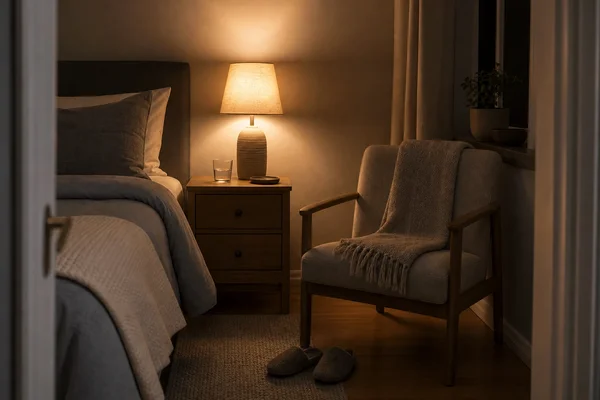
Sleep is often one of the hardest areas for people with PTSD. Nightmares, night terrors, hypervigilance, fear of falling asleep, or waking in a panic can affect the whole household. The most helpful support is usually practical and predictable. Ask what helps at night before a crisis happens. Some people want a light on, a clear path to the door, a weighted blanket, a familiar sound, or a few minutes alone. Others want quiet reassurance.
If the person wakes from a nightmare, avoid telling them it was "just a dream." The body may still feel as if danger is present. Try a short orientation statement: "You are home. It is 2:10 a.m. The door is locked. I am here if you want me nearby." If they prefer not to be touched, keep distance. If they ask for contact, keep it simple and predictable.
For someone with PTSD from war, abuse, domestic violence, assault, accidents, or repeated childhood trauma, certain sounds, smells, dates, rooms, or body sensations may trigger distress. You do not need to identify every trigger for them. Instead, ask whether they want to create a shared plan. The plan can include warning signs, what to say, what not to say, whether touch is okay, when to call someone else, and what helps after the nervous system settles.
This is also where education can support compassion. A trauma reaction is not the same as someone being difficult on purpose. If your loved one is exploring whether complex trauma patterns may be part of their experience, a structured trauma self-reflection resource can help them gather language for later conversations with a therapist or trusted support person.
Support Long-Term Coping, Treatment, and Trust
Long-term support is less dramatic than crisis response, but it often matters more. People with PTSD may withdraw, cancel plans, avoid reminders, become easily startled, or seem emotionally distant. Try not to measure love by how quickly they can act like their old self. Instead, look for small, repeatable ways to show reliability.
Helpful long-term support can include:
- Keeping plans clear and flexible.
- Asking before discussing trauma-related topics.
- Offering practical help with meals, errands, childcare, or appointments.
- Encouraging exercise, sunlight, hobbies, and social contact without turning them into assignments.
- Supporting professional care without shame or pressure.
- Respecting privacy around therapy, medication, or personal history.
If you want to encourage treatment, choose a calm time. Avoid bringing it up during an argument, flashback, or panic state. Focus on specific burdens rather than labels: "I notice sleep has been really hard lately. Would you want help looking for support that focuses on nightmares?" This sounds less blaming than, "You need help."
When PTSD overlaps with depression, anxiety, bipolar disorder, or substance use, support may need to be coordinated with licensed professionals. You can offer rides, help organize questions, or sit in a waiting room if invited. You can also ask how much involvement they want. Some people appreciate company at appointments. Others need privacy to feel in control.
Trust grows when your words and actions match. If you say you will be home at a certain time, try to follow through or communicate changes early. If you promise not to share their story, keep that boundary. If you make a mistake, repair it plainly: "I pushed too hard earlier. I am sorry. I will ask first next time."
What to Avoid When You Are Trying to Help
Good intentions can still land badly when someone is living with trauma symptoms. Avoid pushing for details, comparing their trauma to someone else's, telling them to move on, or insisting that everything will be fine. These comments may be meant as reassurance, but they can feel minimizing.
Also avoid making yourself the only support person. That can create pressure for both of you. Encourage a wider support system when possible: trusted friends, family members, peer support, a therapist, a physician, or a crisis resource if safety is at risk. If you are a partner, parent, adult child, or close friend, your role matters, but it should not replace professional care.
Do not ignore your own limits. Supporting someone with PTSD can bring up fear, frustration, grief, resentment, or exhaustion. Those feelings do not mean you are uncaring. They mean you are human. Take breaks, maintain your own routines, talk with someone safe, and consider support for yourself if you are feeling burned out.
Boundaries can be kind when they are clear and consistent. For example: "I want to talk, and I also need us not to yell. I am going to take twenty minutes, then I can come back." If there is aggression, threats, or escalating danger, prioritize safety. Leaving the room, calling a trusted person, or contacting emergency support may be necessary.

A Gentle Next Step for Supporters
If you are wondering how to help someone with PTSD, begin with three steady habits: ask before acting, reduce avoidable stress, and keep support connected to real choices. You do not have to know the perfect words. Often, the most supportive message is, "I believe this is hard, I am willing to listen, and I will not force you to talk."
For loved ones trying to understand PTSD, complex PTSD, and trauma-related patterns, an educational screening site can be one part of the learning process. The trauma-informed screening and education hub is best used as a private reflection aid, not as a replacement for therapy, crisis care, or a full professional assessment. If symptoms are affecting sleep, relationships, work, parenting, safety, or daily functioning, encourage the person to connect with qualified mental health support.
FAQ
How do you comfort someone with PTSD?
Comfort usually means offering calm, consent-based support. Ask what they need, speak slowly, give them space, and avoid forcing a conversation about the trauma. Practical help, quiet company, predictable routines, and nonjudgmental listening are often more useful than advice.
What is the 3-3-3 rule for PTSD?
The 3-3-3 technique is a grounding exercise often used for anxiety or distress. A person may notice three things they can see, three sounds they can hear, and three body sensations or movements. It is not a PTSD treatment by itself, but some people find it helpful during flashbacks, panic, or emotional overwhelm.
What are the 6 stages of PTSD?
There is no single universal six-stage path that every person with PTSD follows. Some educational models describe phases such as impact, avoidance, recognition, support, treatment, and maintenance, but real recovery is rarely linear. It is safer to focus on current needs: safety, stabilization, professional support, coping skills, and trusted relationships.
Is PTSD a serious mental illness?
PTSD is a serious mental health condition, and it can affect sleep, mood, relationships, work, memory, and physical well-being. It is also treatable. Many people improve with trauma-focused therapy, appropriate medical care, social support, and time. If someone is at risk of harming themselves or someone else, seek urgent help.
How can I help someone with PTSD sleep or nightmares?
Ask what helps before bedtime and after waking from a nightmare. Some people want a light, quiet reassurance, water, space, or a grounding object. Avoid sudden touch unless they have said it helps. If nightmares are frequent or severe, encourage professional support because sleep problems can often be addressed in treatment.
How can I help someone with PTSD anger?
Stay calm, give space, and do not argue while the person is highly activated. You can suggest a pause, a change of room, or a later conversation. After things settle, discuss boundaries and safety. If anger becomes threatening or violent, protect yourself and involve appropriate help.
How can I help someone with complex PTSD?
Complex PTSD is often linked with prolonged or repeated trauma, so support may need to emphasize patience, boundaries, trust, and choice over a longer period. Avoid rushing disclosure or telling the person what they should feel. Encourage trauma-informed professional care, and keep your role supportive rather than controlling.