CPTSD Flashbacks vs. Panic Attacks: Key Differences
That sudden wave of terror washes over you without warning. Your heart races, you feel disconnected from your body, and you're convinced something terrible is about to happen. Is it an emotional flashback from past trauma, or a panic attack? For many trauma survivors, distinguishing between these overwhelming experiences can be confusing and frightening. This confusion can make it harder to find the right coping strategies.
Understanding these intense feelings is crucial for healing. This guide will help you understand the key differences between CPTSD flashbacks and panic attacks. We'll explore why this distinction matters for your recovery and how grounding techniques can help you regain control. Getting clarity on your specific symptoms is the first step, and a confidential CPTSD test online can offer a structured starting point for this exploration.
This article is for informational purposes only and does not constitute a medical diagnosis. Please consult with a qualified mental health professional for personalized advice.
Understanding Emotional Flashbacks in CPTSD
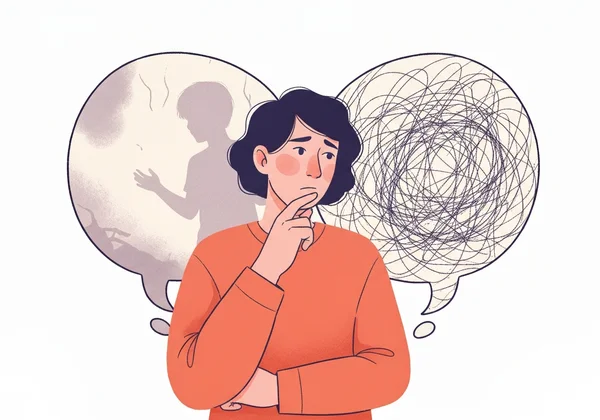
Emotional flashbacks are a core symptom of Complex PTSD. Unlike the cinematic flashbacks often seen in movies, they don't always involve vivid visual replays of a traumatic event. Instead, they are intense emotional regressions to the feelings experienced during the original trauma, such as terror, shame, helplessness, or grief.
What Are Emotional Flashbacks? The Hallmark of CPTSD
An emotional flashback pulls you suddenly back into the emotional state of a past trauma. You might not see the event, but you feel it as if it's happening right now. For instance, a minor criticism from a boss could trigger the same intense feelings of worthlessness you experienced during childhood neglect. You are reacting to a past danger in the present moment, even when no current threat exists. This is a defining characteristic of CPTSD, rooted in prolonged or repeated traumatic experiences.
Recognizing the Physical Signs of an Emotional Flashback
During an emotional flashback, your body reacts as if it's facing the original threat. This is your nervous system's survival response kicking in. Common physical signs include:
- A sudden feeling of being small, helpless, or childlike.
- A surge of adrenaline, causing a racing heart or shallow breathing.
- Feeling frozen or unable to move (a "freeze" response).
- Dissociation, where you feel detached from your body or reality.
- An overwhelming sense of shame or a harsh inner critic's voice.
These physical sensations are real and powerful, but they are signals from the past, not indicators of present danger.
Common Triggers for CPTSD Emotional Flashbacks
Triggers are sensory or situational cues that your brain links to past trauma. They can be very subtle and are often unique to your personal history. Common triggers might include:
- Sensory Cues: A specific smell, sound (like a raised voice), or time of day.
- Relational Dynamics: Feeling unheard, dismissed, or controlled in a conversation.
- Internal States: Feelings of loneliness, stress, or physical exhaustion.
Identifying your triggers is a vital part of managing flashbacks. Knowing what sets them off allows you to prepare and use coping strategies more effectively.
Panic Attacks: What They Are and Why They Feel Different
While they share some physical symptoms with flashbacks, panic attacks are distinct neurological and physiological events. They are sudden, intense episodes of fear or anxiety that can feel overwhelming and life-threatening, but their origin and emotional content are different.
Defining Panic Attacks: Sudden Intense Fear Without Clear Triggers
A panic attack is a sudden surge of overwhelming fear that peaks within minutes. A key difference is that panic attacks can sometimes occur "out of the blue," with no obvious or immediate trigger. While they can be linked to stressful situations, they are often characterized by a fear of the physical sensations themselves—a fear of losing control, having a heart attack, or even dying. The primary emotion is pure fear or dread about the immediate future.
Physical Symptoms That Characterize Panic Attacks
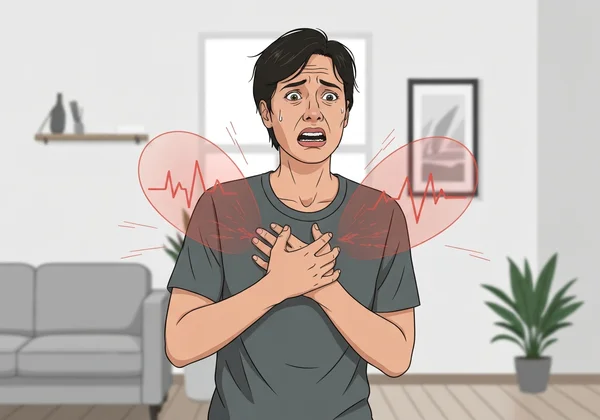
The physical symptoms of a panic attack are intense and often make people think they're experiencing a medical emergency. According to diagnostic criteria, these symptoms include:
-
Pounding heart or accelerated heart rate.
-
Sweating, trembling, or shaking.
-
Shortness of breath or a feeling of being smothered.
-
Chest pain or discomfort.
-
Nausea or abdominal distress.
-
Feeling dizzy, lightheaded, or faint.
-
Chills or heat sensations.
-
Fear of losing control or "going crazy."
The Duration and Aftermath: How Panic Attacks Differ
Panic attacks are typically short-lived, reaching their peak intensity within about 10 minutes and then gradually subsiding. Afterward, you might feel exhausted, shaken, and drained. The primary fear during the attack is often focused on the physical symptoms and a sense of impending doom in the present moment, rather than being rooted in a past event.
Key Differences Between CPTSD Flashbacks and Panic Attacks
Understanding the core distinctions can empower you to respond to your experiences with the right tools. If you're struggling to make sense of your own patterns, taking a free CPTSD test can help map your symptoms and provide personalized insights.
Trigger Patterns: Trauma Cues vs. Situational Stress
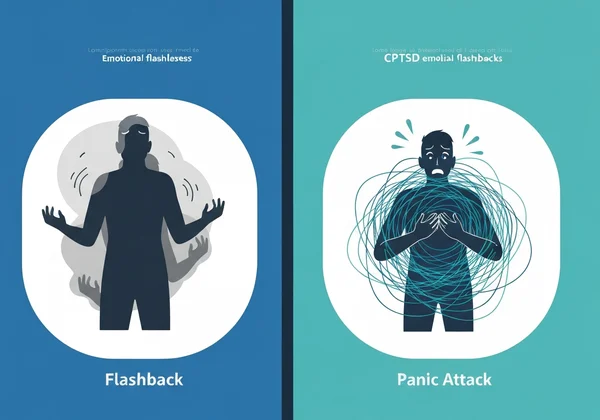
- CPTSD Flashback: Triggered by something that reminds the subconscious of past trauma. The trigger is directly linked to the original wound (e.g., a person who resembles an abuser).
- Panic Attack: Can be triggered by high-stress situations, but can also seem to happen randomly. The fear is often of the attack itself, creating a cycle of anxiety.
Time Orientation: Past vs. Present
- CPTSD Flashback: You are emotionally transported to the past. You re-experience the feelings of helplessness and danger from a time when you were powerless.
- Panic Attack: Your fear is intensely focused on the present and immediate future. You fear what is happening to your body right now and what might happen next.
Emotional Content: Specific Trauma Memory vs. Generalized Fear
- CPTSD Flashback: The emotions are specific to the trauma—shame, abandonment, worthlessness, or rage. An inner critic may become loud and punishing.
- Panic Attack: The core emotion is intense, generalized fear or terror. The focus is on escaping the immediate, terrifying physical and mental sensations.
Recovery Patterns: Gradual Return vs. Sudden End
- CPTSD Flashback: Recovery can be slow. After the peak intensity, the feelings of shame or grief can linger for hours or even days as you slowly reorient to the present.
- Panic Attack: The attack itself ends relatively quickly (usually within 30 minutes). While you may feel tired and fragile afterward, the acute sense of terror subsides completely.
Grounding Techniques for Each Experience
Because these experiences have different roots, they benefit from slightly different management approaches. The goal is always to bring your nervous system back to a state of safety.
Grounding During Emotional Flashbacks: Reconnecting with the Present
When you're in an emotional flashback, the primary goal is to remind your brain that you are in the present and you are safe now.
- Engage Your Senses (5-4-3-2-1 Method): Name 5 things you can see, 4 things you can feel (your feet on the floor, the chair beneath you), 3 things you can hear, 2 things you can smell, and 1 thing you can taste. This pulls your mind out of the past and into the current environment.
- Self-Compassionate Talk: Gently remind yourself: "I am having an emotional flashback. I am safe in this moment. This feeling will pass."
- Temperature Change: Hold an ice cube or splash cold water on your face. The shock of the cold can quickly bring you back to your body.
Managing Panic Attacks: Breathing and Cognitive Techniques
During a panic attack, the goal is to calm the physiological arousal and challenge the catastrophic thoughts.
- Diaphragmatic (Belly) Breathing: Inhale slowly through your nose for 4 counts, hold for 4, and exhale slowly through your mouth for 6 counts. This helps regulate your heart rate.
- Cognitive Reassurance: Tell yourself: "This is a panic attack. It is uncomfortable, but it is not dangerous. It will be over soon."
- Focus on an External Object: Pick a single object in the room and notice every detail about it—its color, texture, shape. This distracts your brain from focusing on the internal sensations of fear.
Understanding Your Experience is the First Step Toward Healing
Distinguishing between emotional flashbacks and panic attacks brings clarity, but understanding your unique symptom profile is the most essential part of your healing journey. It's common for people with CPTSD to experience both, and they often overlap. The most important step is to recognize these episodes as trauma responses, not as personal failings or signs of weakness.
This knowledge empowers you to seek the right kind of support and use the most effective coping strategies. If you're still wondering how your experiences fit into the bigger picture, you don't have to figure it out alone. Getting a clearer view of your symptom patterns can be a powerful act of self-validation.
Take the first step toward understanding your trauma responses today. Our confidential assessment is based on the official ICD-11 criteria for CPTSD and can provide you with valuable, personalized insights in just a few minutes.
Frequently Asked Questions
How can I tell if I'm having an emotional flashback versus a panic attack?
The key is to check the "time orientation" of your feelings. If you feel small, helpless, and are re-experiencing emotions tied to a past trauma (like shame or abandonment), it's likely an emotional flashback. If you are overwhelmed by a sudden fear of what's happening to your body right now (like having a heart attack), it's more likely a panic attack.
Can someone with CPTSD experience both flashbacks and panic attacks?
Yes, absolutely. It is very common for individuals with CPTSD to experience both. The chronic anxiety and hypervigilance associated with CPTSD can create a state where panic attacks are more likely to occur, in addition to trauma-specific emotional flashbacks. Understanding your unique combination of symptoms is key, which is why a comprehensive CPTSD screening test can be a helpful tool.
Are there specific grounding techniques for CPTSD emotional flashbacks?
Yes. While many grounding techniques are useful for both, techniques for flashbacks should focus on reorienting you to the present moment and reminding you of your current safety. Methods that engage your five senses, self-compassionate affirmations ("I am an adult and I am safe now"), and physical actions like stomping your feet to feel the ground are particularly effective.
What does a CPTSD trigger actually feel like?
A CPTSD trigger can feel like a sudden, unexplained shift in your mood or physical state. It might be a wave of anxiety, a pang of deep sadness, a surge of anger, or a feeling of wanting to disappear. You may not consciously connect the feeling to the trigger at first. It feels like an overreaction to the current situation because your nervous system is actually reacting to a danger from the past.